
height of the sun

A circular altitude sundial at full-scale for the garden

Altitude sundial in the garden

The altitude sundial in sunshine on 21st July 2026. The dial reads 3:50 pm, which is only 4 minutes difference from clock time, with corrections made for BST, Longitude, and EOT. The reading point is the tip of the shadow, which is the shadow of the gnomon nodus. 

The altitude sundial is an intriguing instrument. It relies on measuring the height of the sun to tell the time. It also requires the user to adjust for the time of year before making a reading. There are many altitude sundials and there is one particular one with a circular dial, from around the year 1600, which we find very interesting. We have now designed and built one like it at full-scale for the garden. Continue reading
Share:

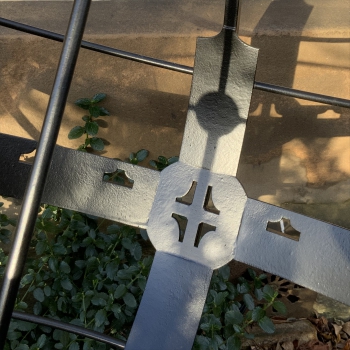
Armillary sundial shadow one month on from winter solstice

Armillary sundial shadow one month on from winter solstice

The shadow of the ball on the sundial follows the sun all year round. The sun is low in the sky in winter, and it reaches its lowest point at the Winter Solstice on 21st December. This photo is one month later on 20th January. The sun is already higher in the sky, and the ball’s shadow has moved down.

Sundials catch a shadow from the sun. It is such a simple idea. The shadow on the sundial shows the sun’s position in the sky and the sundial reads it out as time, usually the time of day and often the time of year as well. Our armillary sundial is a special one with two balls that give the time of the year measured by the height of their shadow at noon. One ball casts a shadow in the winter months and the other one in summer. Continue reading

Share: